Start with the plain guide. Open the deeper layers when you want the ecosystem around it.
IntensityNoticeRead, understand, orient.
StewardNGO / Nonprofit
0Orgs
0Policies
0Links
First readWhat to know+
Topic: Understanding a Down syndrome diagnosis for new or expecting parentsSource: National Down Syndrome Society (NDSS)Key Info: Explains the difference between screening tests and diagnostic tests during pregnancyFree Resources: Free parent guide in English and Spanish, local support groups, and a gift for new familiesTime Needed: About 10-15 minutes to read the guide
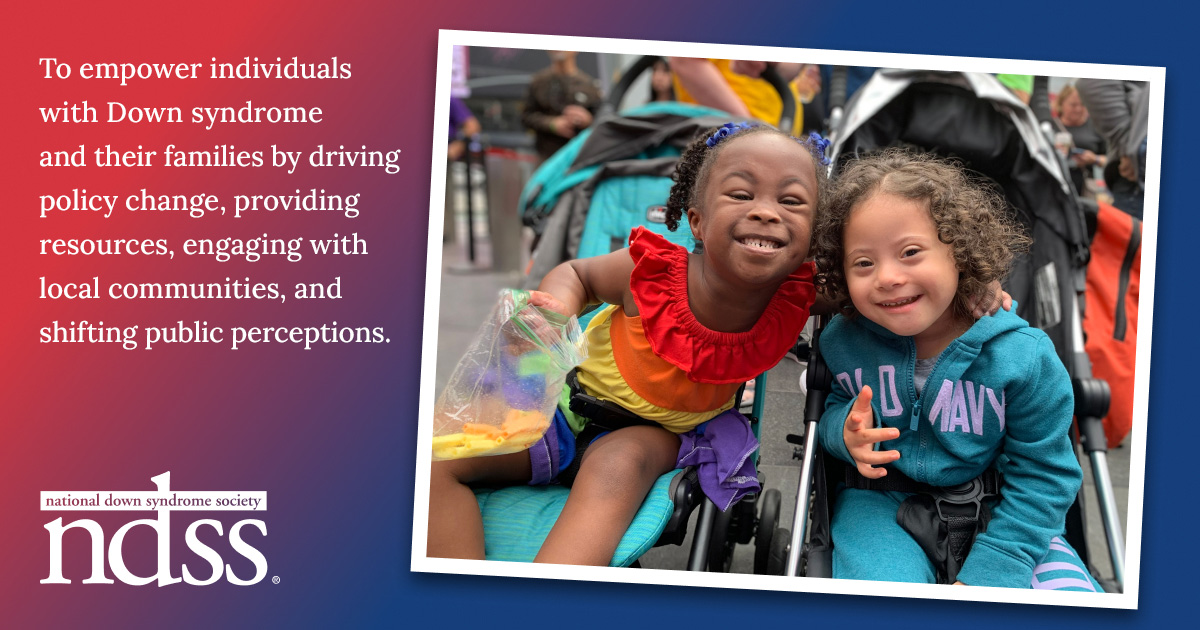
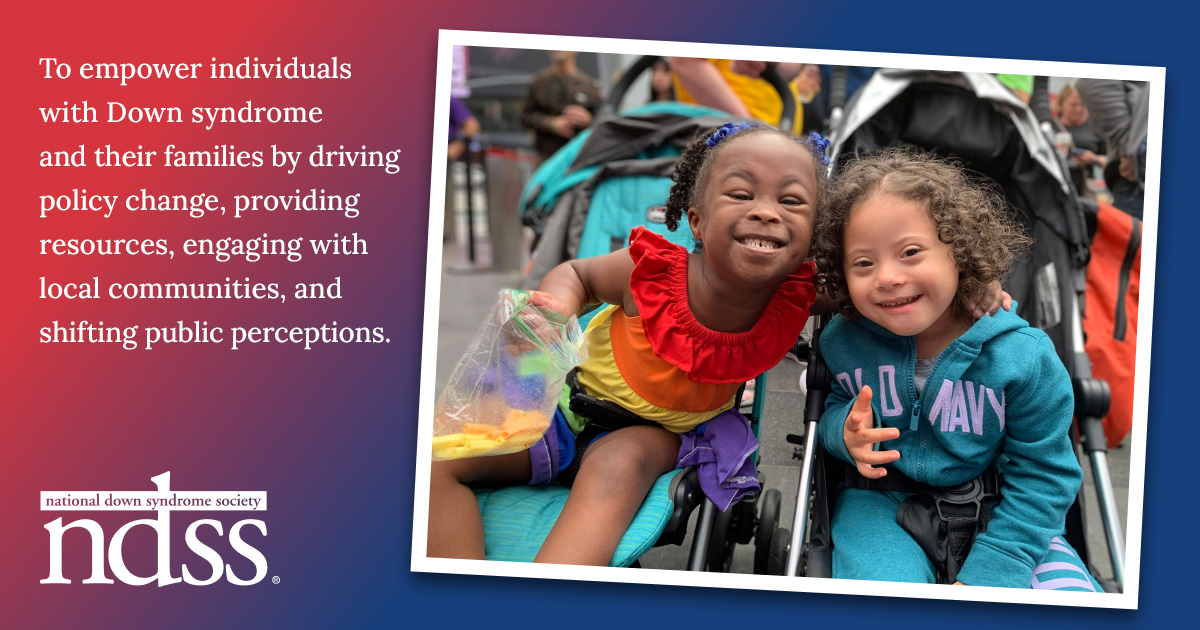
A Down syndrome diagnosis — before or after birth — brings a lot of questions. This guide from the National Down Syndrome Society (NDSS) walks you through what the tests mean, what doctors look for, and how to find real support from families who have been right where you are.
There are two kinds of prenatal tests for Down syndrome. Screening tests — including blood tests and ultrasounds — estimate the chance your baby has the condition. They give you a probability, not a yes or no answer. A noninvasive prenatal screening test (NIPT), which uses a blood sample taken as early as 10 weeks, can detect up to 98.6% of cases, but a positive result still needs to be confirmed. Diagnostic tests — chorionic villus sampling (CVS) and amniocentesis — can give a definitive answer with close to 100% accuracy. CVS is done between 9 and 14 weeks; amniocentesis between 15 and 22 weeks. Both carry up to a 1% chance of causing a miscarriage. After birth, doctors look for physical characteristics and then confirm the diagnosis with a karyotype — a photograph of your baby's chromosomes taken from a blood sample. Testing is always a personal decision. There is no single right choice.
Use this guide to get clear on what your test results actually mean before your next doctor's appointment. If you received a screening result, ask your doctor or a genetic counselor what the probability means for your specific situation. If you are considering a diagnostic test, ask about timing, risks, and what the results will tell you. Then connect with other families — hearing from parents who have been through this is one of the most grounding things you can do.
No fixed date
Not location-specific
If you are in Houston, a local Down syndrome affiliate can connect you with parent groups, early intervention programs, and community events like the Buddy Walk. Your OB-GYN or midwife can refer you to a genetic counselor who specializes in prenatal diagnosis. Hospital social workers and NICU (neonatal intensive care unit) staff are also good starting points if your baby has already been born.
A diagnosis can feel overwhelming, but understanding your options helps you make confident choices. Knowing the difference between a screening test and a diagnostic test — and what each result actually tells you — puts you in a stronger position to talk with your doctor and plan ahead. Families who learned early often say the birth of their child felt just as joyful because they had time to prepare.