Start with the plain guide. Open the deeper layers when you want the ecosystem around it.
IntensityNoticeRead, understand, orient.
StewardNGO / Nonprofit
0Orgs
2Policies
8Links
First readWhat to know+
Topic: Down syndrome research for familiesWho runs it: National Down Syndrome Society (NDSS) and NIHHow to join: Sign up for DS-Connect, a free NIH registry that matches you to studiesWhat is studied: Health issues like Alzheimer's, autism, and diabetes in people with Down syndromeTime needed: Varies — some studies are quick online surveys
Next rungHow to step in+
Good first step: Act DS-Connect NIH Registry
Go to dsconnect.nih.gov and create a free account to find research studies you or your family member can join.
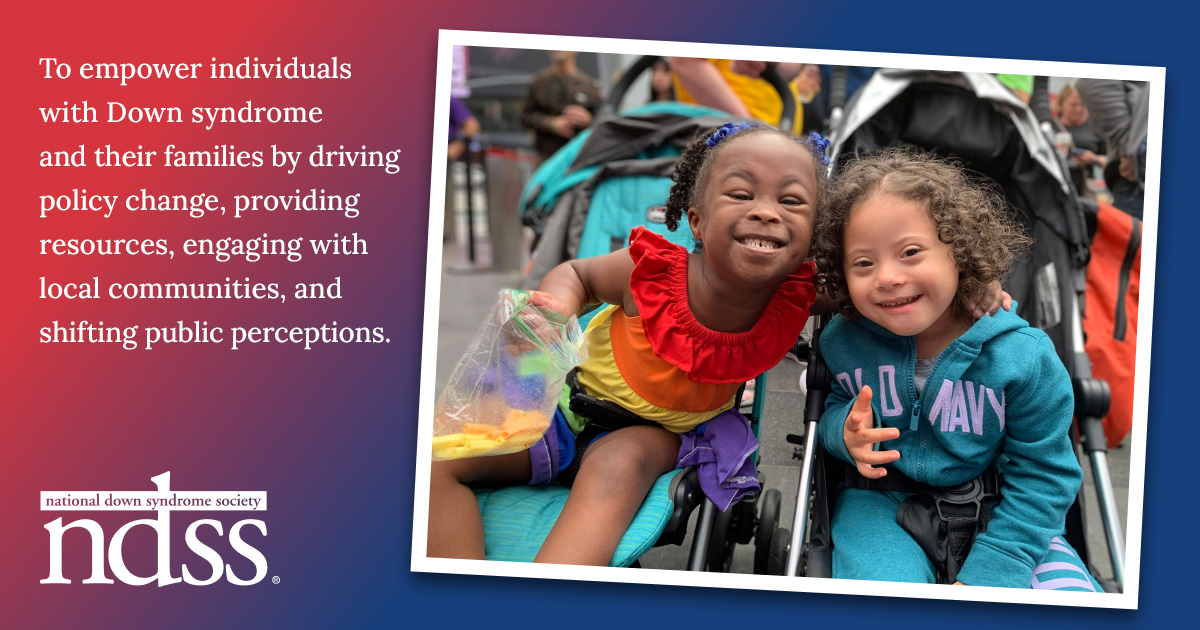
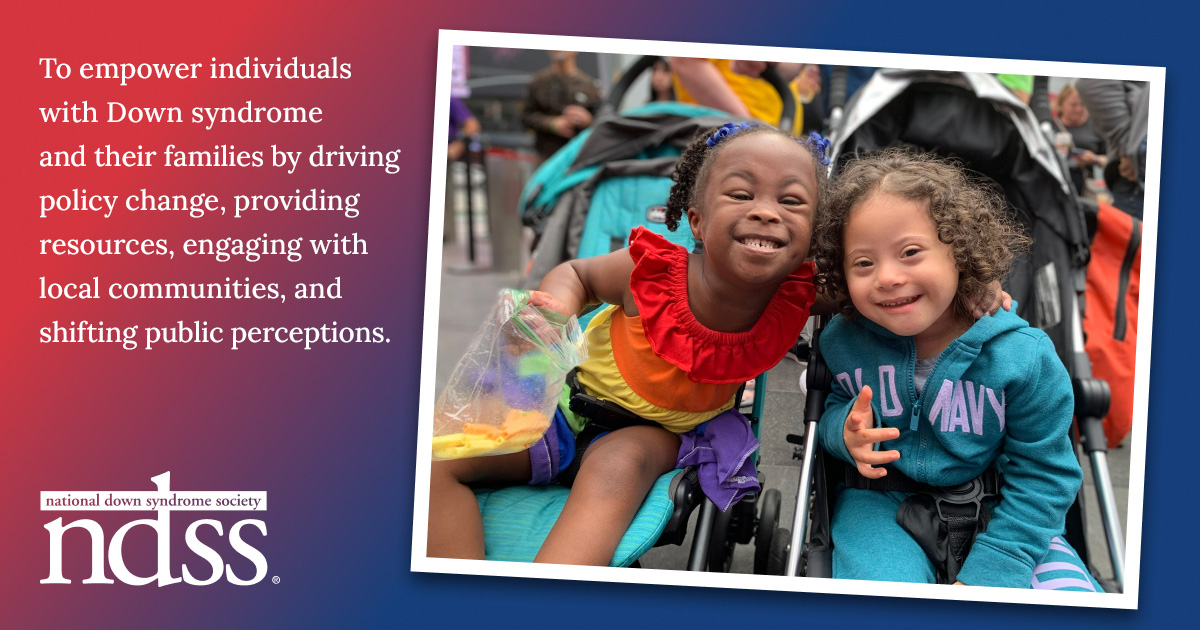
Down syndrome research needs one key ingredient to move forward: people willing to participate. The National Down Syndrome Society (NDSS) makes it easier for families to find studies, understand their options, and get involved — whether that means joining a registry, completing an online survey, or following funding that shapes future care.
NDSS connects families to two main pathways. The first is DS-Connect, a registry run by the National Institutes of Health (NIH) that matches people with Down syndrome to studies they may be eligible for — with their permission. The second is NDSS's own updated list of vetted research opportunities, including online surveys that can often be completed from home. NDSS also highlights the INCLUDE Project — short for INvestigation of Co-occurring conditions across the Lifespan to Understand Down syndromE — a major NIH initiative launched in 2018. INCLUDE focuses on health conditions that often affect people with Down syndrome, such as Alzheimer's disease, autism, diabetes, congenital heart disease, and others. It funds basic research, builds a large study population, and works to include people with Down syndrome in clinical trials that have historically left them out.
Start by deciding what level of involvement feels right for your family. Joining DS-Connect is a low-pressure first step — you share some basic information, and the registry alerts you when a study matches your situation. You choose whether to learn more. If you want to explore studies on your own, NDSS keeps a regularly refreshed list of opportunities, including simple online surveys. For bigger questions, reach out directly to the NDSS research team by email. They welcome questions and can help you figure out where to begin.
No fixed date
Not location-specific
Families dealing with Alzheimer's disease alongside Down syndrome can explore NDSS's dedicated Alzheimer's resources and the LuMind IDSC Clinical Trial Finder. ResearchMatch helps connect volunteers with researchers across many types of studies, not just clinical trials. The Global Down Syndrome Foundation also offers research information and resources. For deeper reading, PubMed Central provides free access to published biomedical research.
Research is how doctors and scientists find better treatments, therapies, and support for people with Down syndrome across their whole lives. Right now, there's a gap: about 92% of parents want more options for their children, but only 36% have actually enrolled a child in a study. Studies can't happen without enough participants — so families are truly at the center of this work. Federal funding for Down syndrome research has grown significantly, but that investment only pays off when real people take part.