A man already facing charges tied to the Texas Killing Fields case has been hit with two new felony counts. The case involves the deaths of around 30 women whose remains were found near League City in the late 1980s and early 1990s. Recent developments show how cold case investigations can keep moving forward — sometimes decades later — using modern forensic tools and steady law enforcement effort.
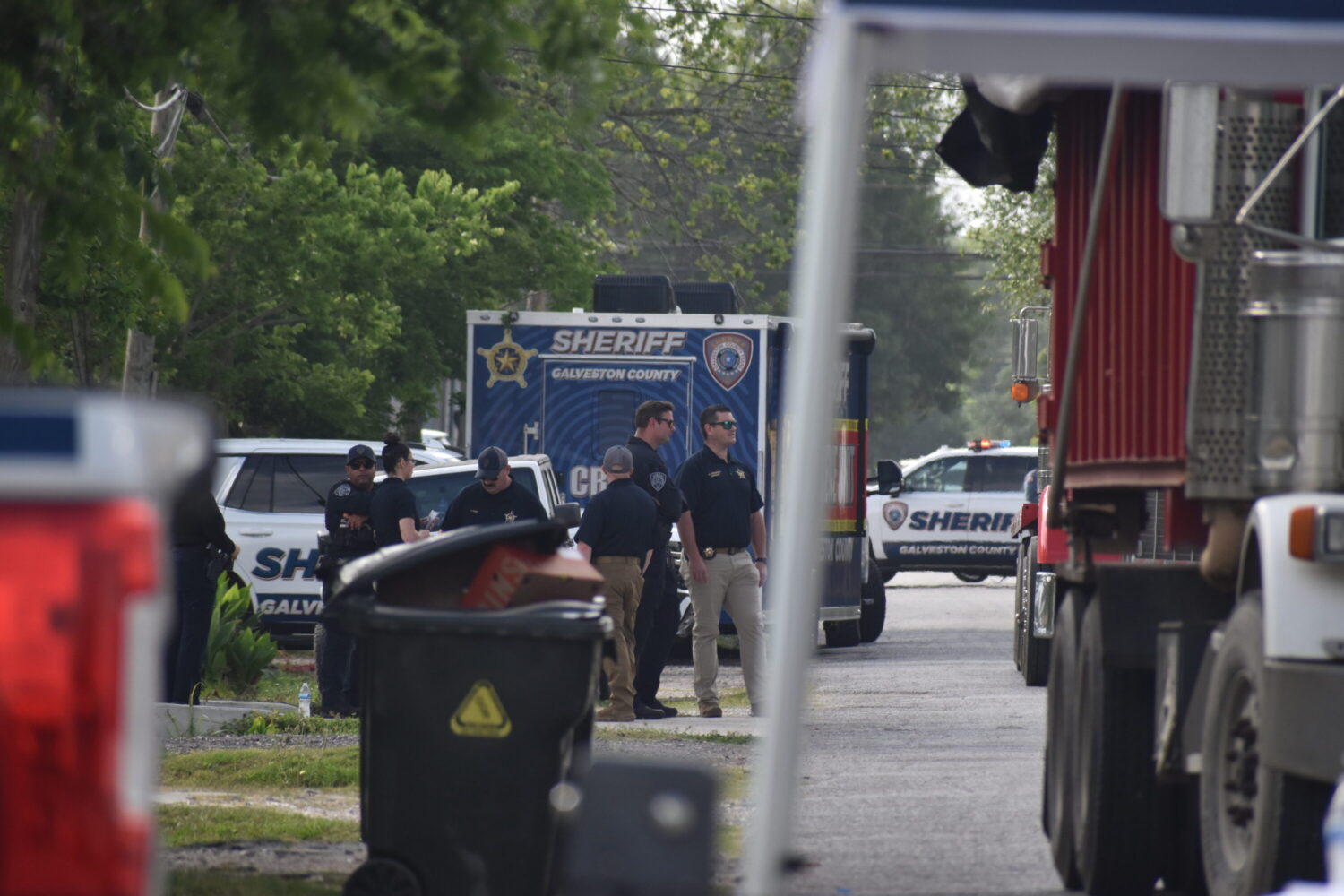
James Elmore, 61, was already charged in March with manslaughter and tampering with evidence in two of the Texas Killing Fields cases. In late April, authorities served search warrants on his Bacliff property. His phone — taken at the time of his March indictment — allegedly contained child pornography. A second warrant authorized a search of his property for possible human remains. No human remains were found. Elmore now faces two additional felony charges: possession of child pornography and possession of visual material depicting sexual assault. He remains jailed on combined bonds totaling $4.5 million. A trial date has been set for August 31.
Stay informed by following trusted local news sources covering this trial as it approaches the August 31 court date. If you have information about this or any unsolved case in the region, reach out to your local law enforcement agency or a tip line — cold case units welcome new information even years after a crime occurred. You can also look into victim advocacy organizations that help families navigate the legal process. Understanding how search warrants and forensic investigations work gives you a clearer picture of your regional justice system.
No fixed date
League City area, between Houston and Galveston
This case connects to broader conversations about cold case justice, forensic technology, and victim advocacy across the Houston region. Local law enforcement agencies, Galveston County prosecutors, and forensic specialists are all part of the team working these kinds of investigations. If you care about community safety or supporting victims' families, victim advocacy organizations in the Houston area are a natural next step.
This case touches the Houston region directly. Families of victims have waited decades for answers. Watching how investigators use search warrants, forensic examination, and multi-agency teamwork helps all of us understand how the justice system handles complex, long-running cases. It also reminds us that cold cases are never truly closed.