California's Fifth Climate Change Assessment produced detailed reports on how climate change affects real people across the state — from tribal communities to low-income neighborhoods to the broader economy. A free webinar series lets you hear directly from the research teams who wrote those reports. Sessions cover racial equity, displacement, indigenous communities, and economic impacts. Whether you work in planning, community organizing, or just want to understand what's coming, these conversations offer grounded, research-backed insight you can actually use.
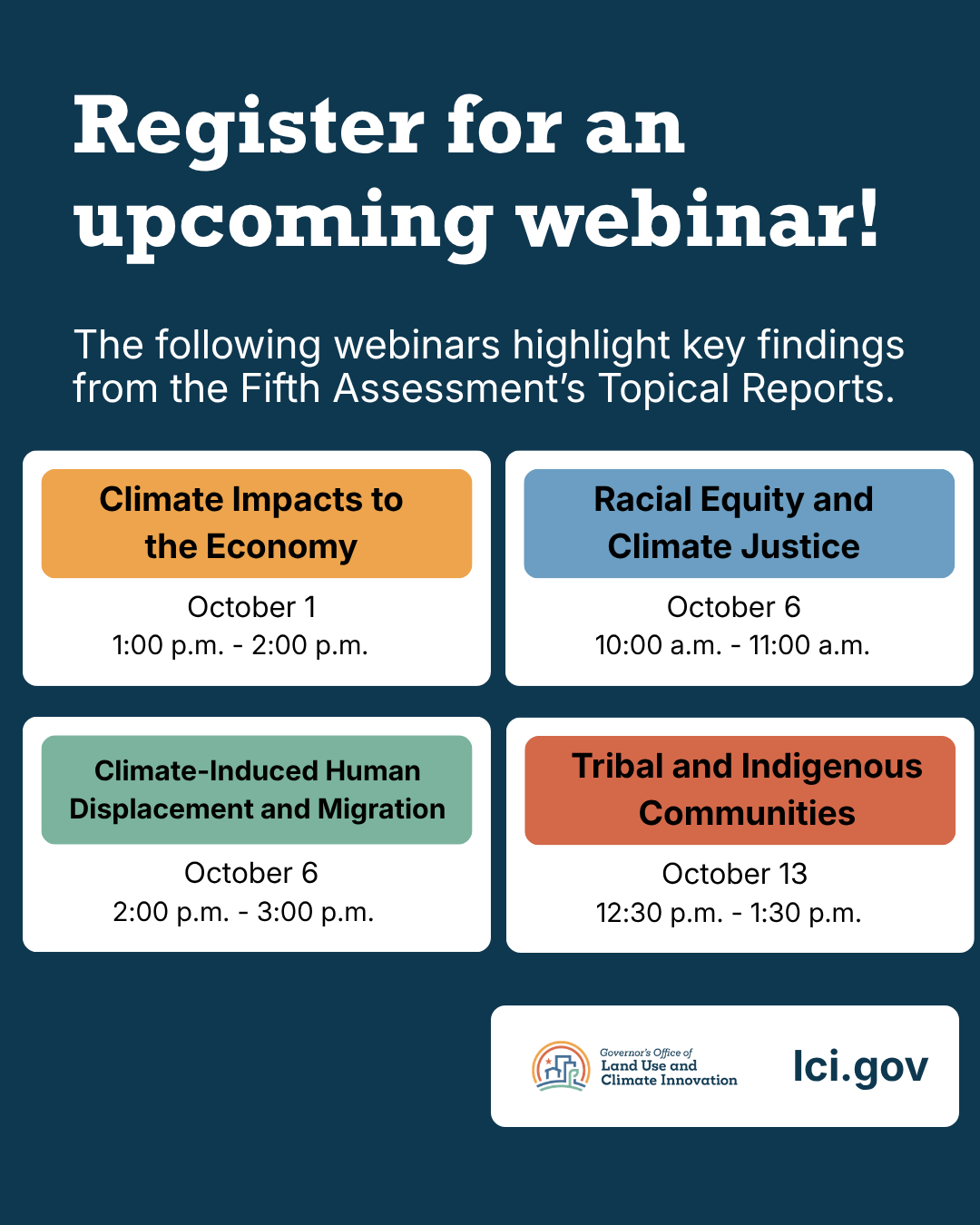
The series covers four major topics drawn from the Assessment's Statewide Topical Reports. The October 1 session looks at climate impacts to the economy. The first October 6 session focuses on racial equity and climate justice. The second October 6 session covers climate-induced human displacement and migration — a report developed with researchers from the Othering and Belonging Institute and University of California partners. The October 13 session addresses impacts on tribal and indigenous communities. Each session features the actual author teams sharing key findings and discussing ways communities can build resilience. Regional Reports from around California are also part of the broader Assessment and inform these conversations.
Register for whichever sessions match your interests or your work. During each webinar, listen for findings that apply to your neighborhood, your organization, or your area of focus. Take note of the adaptation strategies researchers highlight — these are designed to feed directly into local planning, policy decisions, and community resilience efforts. If you work in government, advocacy, or community organizing, the reports themselves (beyond the webinars) can support vulnerability assessments and adaptation planning at the local level.
October 1–13, 2025. Individual sessions run October 1, October 6 (two sessions), and October 13.
Online. All webinars are held virtually and open to the public.
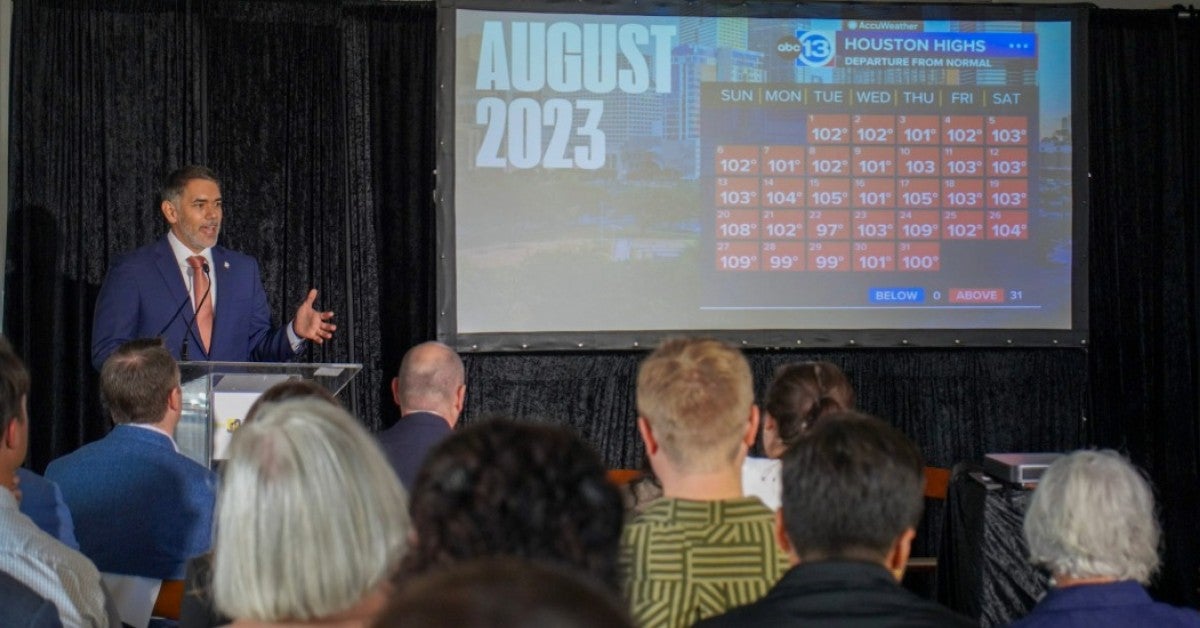
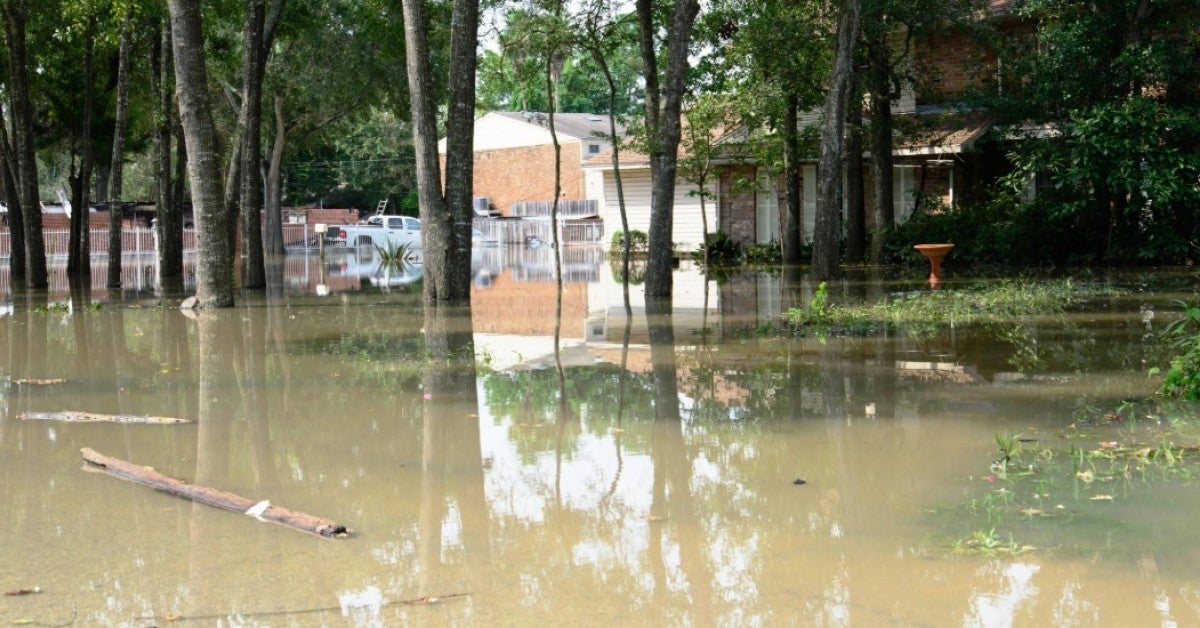
These webinars connect to broader conversations happening right here in Houston about flood risk, heat equity, and community displacement. The research frameworks California is using — participatory research, climate justice, indigenous knowledge — are approaches that local planners and advocates are exploring in Texas too. If your neighborhood has dealt with flooding after a major storm, or if you've noticed how heat hits some ZIP codes harder than others, the findings in these reports will feel familiar.
Climate change doesn't hit everyone the same way. Some neighborhoods flood first. Some communities lose jobs faster. Some cultures lose land they've depended on for generations. California's Fifth Climate Change Assessment digs into those differences. These webinars give you direct access to the researchers who did that work — people who partnered with communities across the state to make sure local knowledge shaped the findings. If you care about climate policy, housing, equity, or your own community's future, this series is worth your time.