Adults with intellectual and developmental disabilities deserve better grief support. Here’s how we’re helping. | Community Exchange
ArticleOur Health
Adults with intellectual and developmental disabilities deserve better grief support. Here’s how we’re helping.
The Kinder Institute's Paths project offers free, accessible grief support videos and booklets for adults with intellectual and developmental disabilities.
Start with the plain guide. Open the deeper layers when you want the ecosystem around it.
IntensityNoticeRead, understand, orient.
StewardSchool / College
1Orgs
0Policies
9Links
First readWhat to know+
Topic: Grief support for adults with intellectual and developmental disabilities (IDD)Source: Kinder Institute – Paths ProjectWhat's Free: 6-part video series and booklets in English and SpanishWhere to Find It: PathsForHealing.orgReading Time: About 1 minute
Next rungHow to step in+
Good first step: Share PathsForHealing.org with a family, caregiver, or friend who supports someone with IDD
Hey, I found free grief support videos and booklets made for people with intellectual disabilities. Check out PathsForHealing.org — it's in English and Spanish!
Time and placeWhere this sits+
Our HealthRice University — Center for Civic Leadership
Grief touches everyone — including adults with intellectual and developmental disabilities (IDD). A Houston-based research team built free, easy-to-use grief support tools designed with IDD adults in mind. The resources are ready for you, your family, or the people you support.
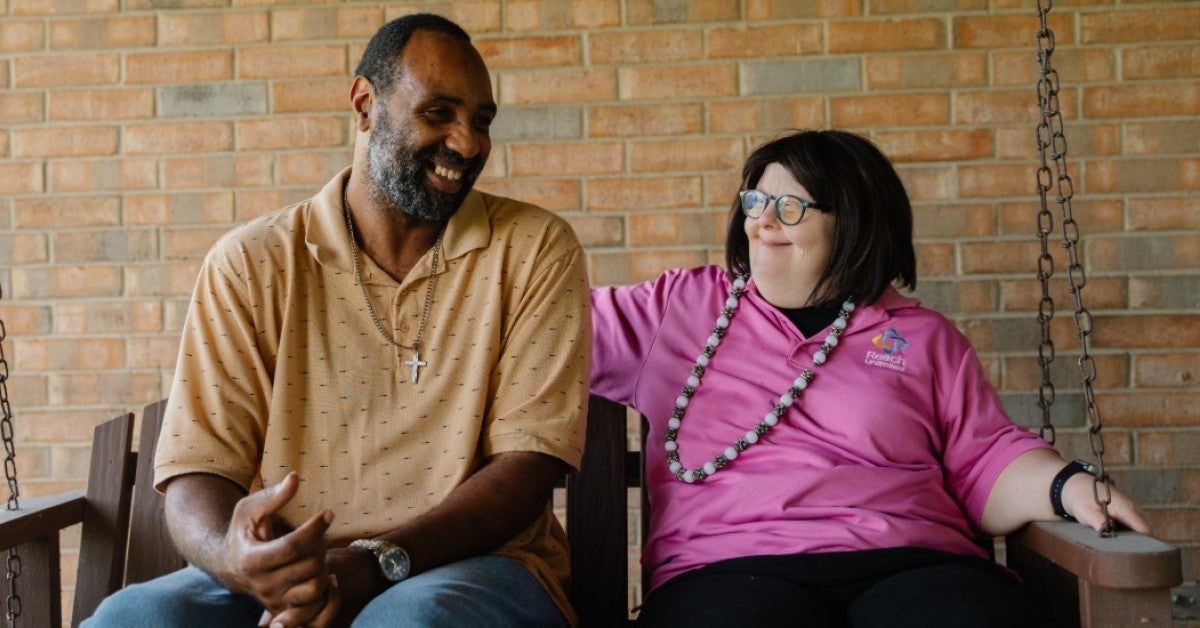
Paths for Healing offers a free six-part video series and matching booklets about grief and coping. Each video focuses on one topic — what grief is, how it can feel, ways to care for yourself, how to remember what you have lost, how to ask for support, and how to find hope. The booklets come in two formats: Easy Read and Plain Language, both with photos and reflection questions. Everything is available in English and Spanish, with more languages planned. Adults with IDD appear in the videos sharing their own stories, which helps connect the information to real life and shows that people with IDD do understand and experience grief.
You can use these resources in several ways. Watch the videos on your own, or go through them with a family member, caregiver, or support group. Use the booklets alongside the videos or on their own — whichever works best for how you learn. If you support someone with IDD, consider setting aside time to go through a video together and talk about it afterward. Service providers and community organizations can share the resources with the people they serve and use them to open conversations about loss that might not happen otherwise.
No fixed date
Not location-specific
The Paths project was built with support from many Houston-area partners, including Bo's Place, Easter Seals Greater Houston, The Brookwood Community, The Harris Center for Mental Health and IDD (intellectual and developmental disabilities), the Houston Mayor's Office for People with Disabilities, Harris County Commissioner Precinct 4, Bridges to Possibilities, Reach Unlimited, Noah's House, Pursuit Center, Alexander Jewish Family Services Celebration Company, and others. Funding came through the Texas Council for Developmental Disabilities (TCDD) and the U.S. Administration for Community Living (ACL).
Adults with IDD often face grief the same way anyone does — after losing a loved one, a relationship, a home, or a familiar routine. But most grief resources were not built with their communication or support needs in mind. That gap can leave people without the tools to understand what they are feeling or ask for help. The Paths project was created to change that. Researchers at Rice University's Kinder Institute for Urban Research spent three years working alongside IDD adults, families, caregivers, and Houston-area organizations to build something better.