A dangerous livestock pest called New World screwworm has been detected in Nuevo Leon, Mexico — just 60 miles south of Texas. No cases have been found in the United States yet, but Florida has already restricted animal imports from six South Texas counties. Texas ranchers, pet owners, and anyone who works with animals should know what to watch for and who to call.
Florida issued an emergency rule requiring any livestock brought in from six South Texas counties — Zapata, Jim Hogg, Starr, Hidalgo, Webb, and Brooks — to pass extra veterinary screenings. Animals that are admitted and have open wounds must already be receiving an approved treatment. All U.S. ports of entry at the southern border are currently closed to livestock trade as a precaution. The U.S. Department of Agriculture (USDA) is also building a sterile fly production facility at Moore Air Base in Edinburg. The plan: sterilize screwworm flies and release them into the wild, so mating produces eggs that never hatch — shrinking the population over time. That facility is expected to open in November 2027.
If you own livestock, horses, pets, or work on a ranch, now is a good time to check your animals regularly for unusual wounds, sores, or signs of infection — especially around body openings. Screwworm maggots burrow fast, so catching something early makes a real difference. If anything looks off, call your veterinarian right away and mention the screwworm threat so they know to look closely. You can also report concerns directly to the Texas Department of Agriculture. If you raise animals in the six South Texas counties named in Florida's rule, talk to your vet before moving any animals across state lines.
No fixed date
Not location-specific
This situation connects to broader conversations about Texas agriculture, border biosecurity, and rural economic health. Houston-area residents who buy locally raised beef, pork, or poultry could eventually feel the effects at the grocery store if the pest spreads. Community members with backyard animals or exotic pets should also stay alert — screwworm can affect a wide range of animals, not just cattle.
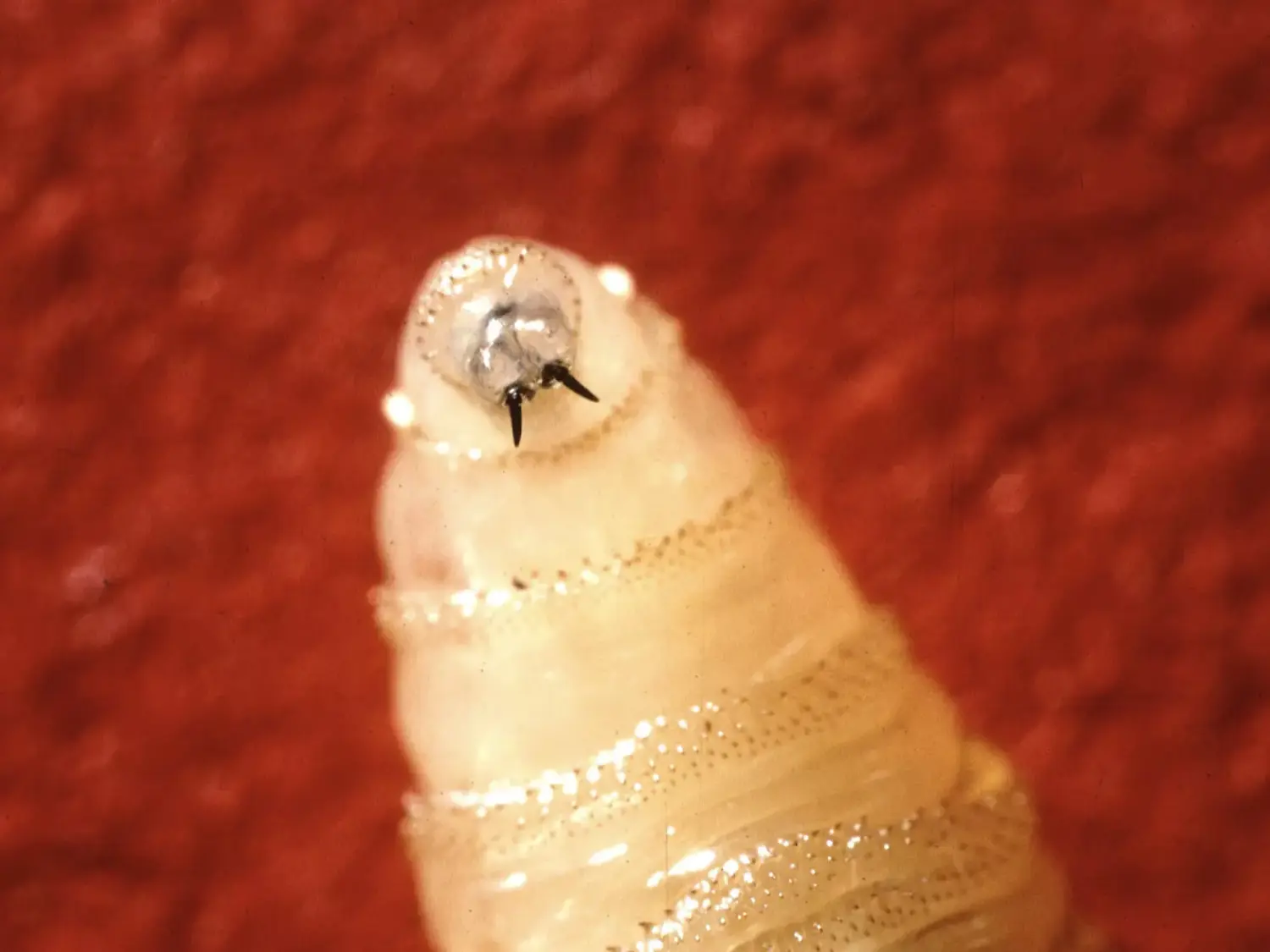
New World screwworm is no small threat. Flies lay eggs in open wounds on livestock, pets, and sometimes people. The eggs hatch into maggots that burrow into and feed on living tissue. Left untreated, an infestation can kill animals — and serious cases can harm people too. Texas has one of the largest livestock industries in the country, worth billions of dollars. If screwworm crosses into the state, ranches could suffer heavy losses, meat prices could rise, and the wider Texas economy would feel the hit. The pest was wiped out in the U.S. about a decade ago, but that took a massive, costly effort. Acting early this time matters.