
All of Us
How Audiobooks Started as Technology for Blind People
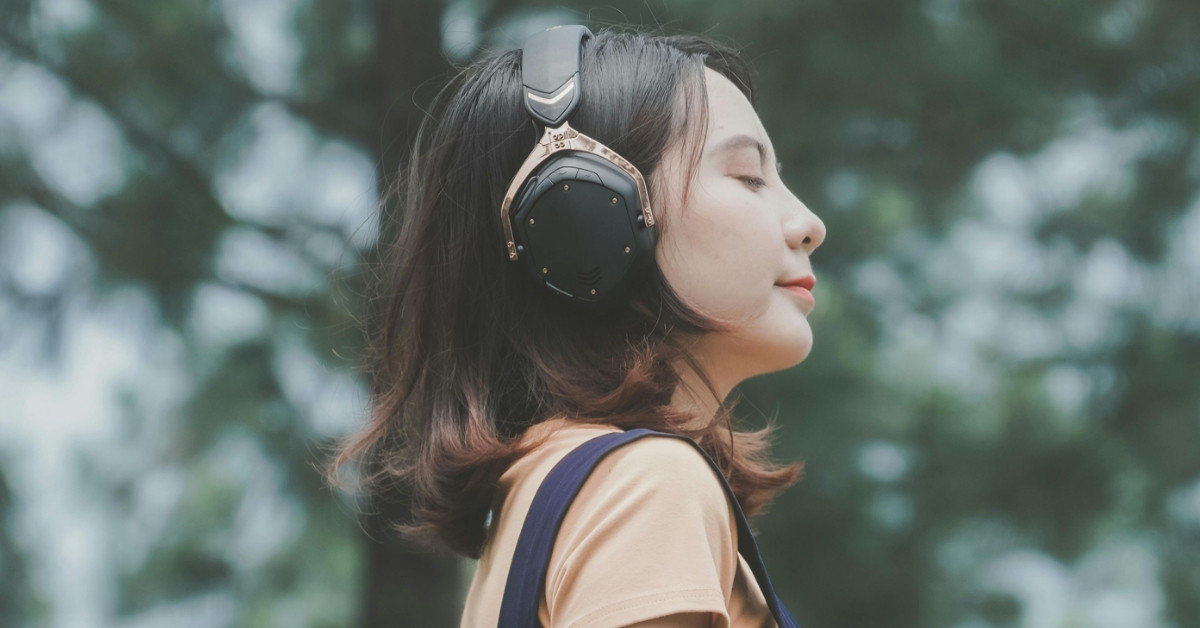
Audiobooks began in 1932 to help blind people read, and now everyone uses them.
By Good Good Good -- Apr 13, 2026
Overview
In 1932, the American Foundation for the Blind created something that would change how we all consume books. Frank L. Dyer invented the "talking machine record" to help blind people access written materials. This innovation became the first modern LP record.
Tony Stephens experienced this technology firsthand when he lost his sight at age 15. The National Library Service sent him cassettes of new books, opening up a world of learning through his ears. "Your mind just exploded with all the information that was suddenly at your ears," Stephens recalls. Now he works as assistant vice president for communications at the same organization that created audiobooks.
This story shows the "curb cut" effect - when we design for people with disabilities, everyone benefits. Over the last 10 years, audiobook use among US adults has grown by more than 100%. What started as assistive technology now helps millions of people learn during commutes, exercise, or relaxing at home.
Today, audiobooks live on our phones and reach every corner of our communities. As Stephens says, they represent "a door of opportunity" - the chance to learn, dream, and grow just by listening. Our community can celebrate how innovation born from necessity becomes a gift for everyone.
Resources
About the source
Good Good Good is a media company sharing good news and actionable ways to make a difference. They publish stories about people, organizations, and ideas making the world better.
Knowledge Graph
How this connects
Connections across learning, action, organizations, and policy.
Choose your next step
Every page is a door. Where do you want to go?