All of Us
Bird Names Change to Honor Birds, Not Racist History
American bird experts will rename birds to focus on the animals themselves, not people with harmful pasts.
By Good Good Good -- Apr 13, 2026
Overview
The American Ornithological Society announced it will rename all American birds currently named after people. This major change affects hundreds of bird species and marks a shift toward more inclusive science.
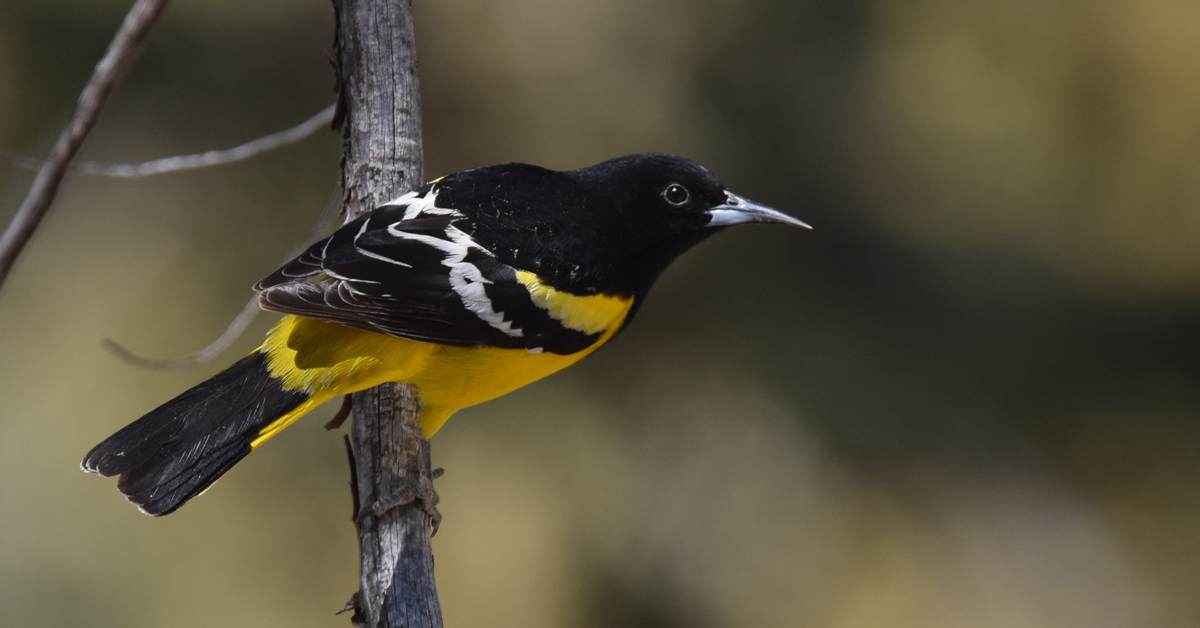
Many bird names honored people with harmful histories. The Audubon's shearwater was named after John James Audubon, a famous bird artist who owned slaves and opposed ending slavery. Scott's oriole got its name from Civil War general Winfield Scott, who forced Indigenous peoples from their homes in the Trail of Tears. These naming practices started in the 1800s when racism and bias shaped how scientists worked.
The change started after a 2020 incident in Central Park. A white woman falsely called police on Christian Cooper, a Black birdwatcher, claiming he threatened her life. This event sparked conversations about racism in the birding community. Birders created Black Birders Week and started the "Bird Names For Birds" movement to push for change.
New bird names will focus on the birds themselves. Instead of honoring people, names will describe where birds live or what they look like. The Audubon's shearwater became the Sargasso Shearwater, named after the ocean area where it lives. A diverse committee will lead the renaming process, including experts in social science and communication along with bird scientists.
This change helps make birdwatching more welcoming for everyone. Our community can now study and enjoy these amazing animals without carrying forward names tied to harmful histories. The new naming process puts birds first, where the focus belongs.
Resources
About the source
Good Good Good is a media company sharing good news and actionable ways to make a difference. They publish stories about people, organizations, and ideas making the world better.
Knowledge Graph
How this connects
Connections across learning, action, organizations, and policy.
Choose your next step
Every page is a door. Where do you want to go?